Gmail Changed the Rules in January. Here Is What It Means for Your Email List
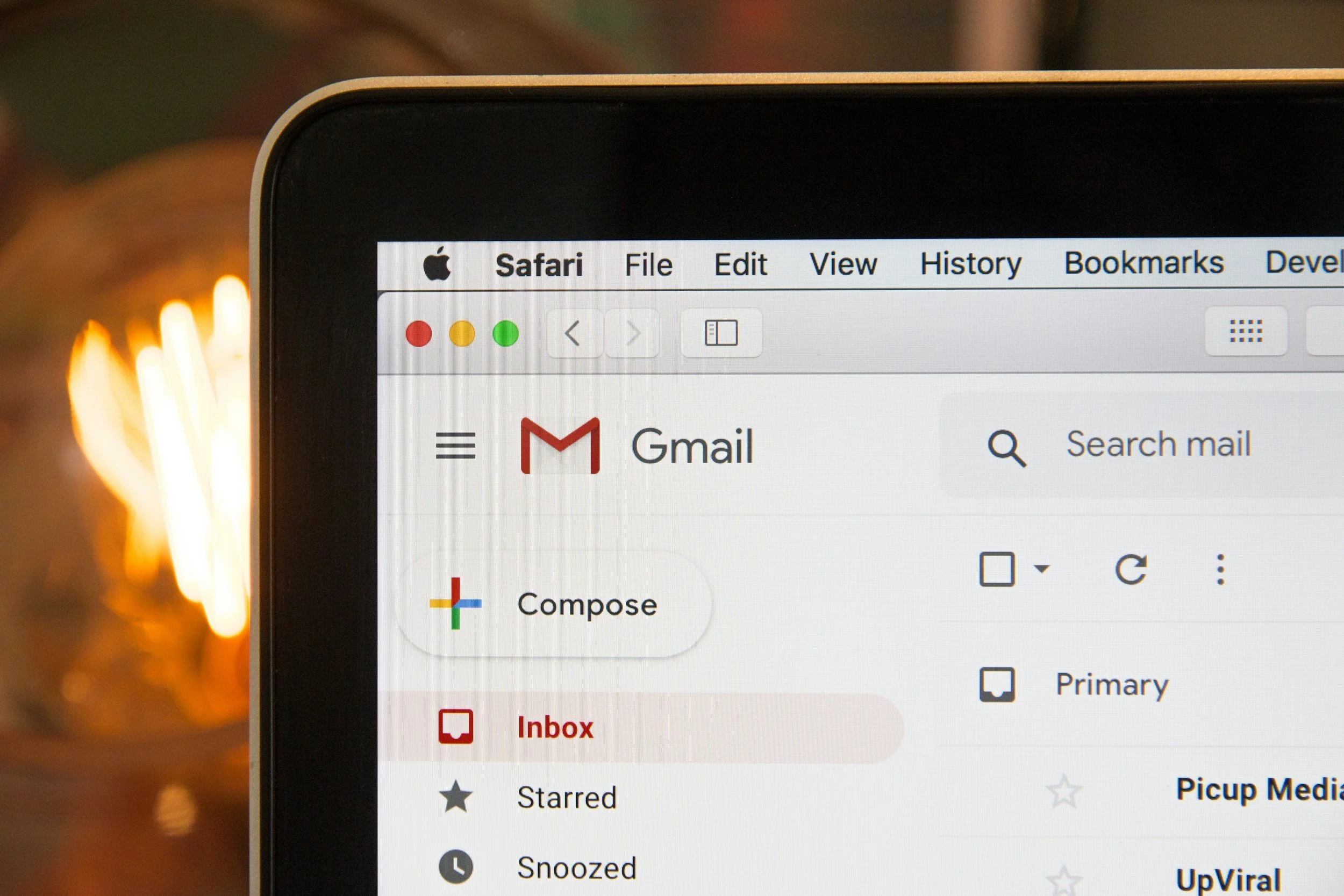
Delivered does not mean seen anymore.
On January 7, 2026, Google rolled out an AI-powered inbox update across Gmail and it was not announced with fanfare or a countdown. It was just live. Running. Making decisions about your emails before your audience ever had the chance to.
The way it works is straightforward and significant. Every email that arrives in a Gmail inbox now gets sorted by Gemini AI into one of two categories. Either it is flagged as worth someone's immediate attention, or it is quietly grouped into a pile people might get to eventually. Maybe.
Up to 40 percent of emails that technically deliver are being deprioritized before a single human reads them. That means your open rate is no longer just about your subject line. It is about whether Gmail's AI decides you are a priority or background noise
The inbox is earned now. It is no longer just given.

What the AI Is Actually Watching
This is not about tweaking your subject lines or sending at the right time on a Tuesday. The shift is deeper than that.
Gmail's AI is tracking your sender reputation, meaning how consistently people engage with you, whether they write back, and how long you have held that pattern. It is weighing replies above almost everything else.
Opens are becoming nearly irrelevant as a signal. Clicks matter more. Replies are the new currency.
And it is running your actual content through natural language processing. Which means it can tell, sentence by sentence, when an email was written by a person who genuinely cares and when it was assembled from a template by someone who does not.
It knows the difference between a message and a broadcast. And it remembers.
Why This Is Actually Good News for You
The spray-and-pray era of email marketing is over. The era of blasting thousands of people the same generic message and calling it a strategy is done. And for founders who have been building real relationships through their list rather than just broadcasting at people, that is not a loss.
It is a win. If your emails have been genuine, valuable, and written specifically for the women on your list, you are not behind. You are ahead. Gmail's AI just started rewarding exactly what you have already been doing.
This update does not punish volume. It punishes irrelevance.

What to Do Right Now
Here is what actually matters in this new landscape, and what I am doing personally at VMB Creative:
Send better, not necessarily less. Frequency is not the problem. Irrelevance is. If your audience is opening, clicking, and replying, you can send as often as makes sense. The AI penalizes disengagement, not volume.
Segment your list with intention. At minimum, separate your warm list from your cold list and treat them differently. Your engaged readers need different content and cadence than someone who has gone quiet. One message for everyone is no longer a viable strategy.
Make personalization real. First-name merge tags do not count anymore. Real personalization means sending content based on actual behavior, what someone clicked, what they bought, what they told you they care about. Write emails that could only have been written for this specific audience.
Write like a person, not a press release. Natural language processing is tuned to flag promotional language. Write the way you would write to someone you respect: direct, conversational, with a voice that is distinctly yours. That is not just good brand practice now. It is deliverability infrastructure.
Protect your domain reputation obsessively. Sunset subscribers who have not engaged in 90 days. Watch your complaint rates. Warm up new domains properly. The AI holds receipts on every send, and it does not give second chances quickly.

The Bigger Picture
Gmail's AI inbox is not killing email marketing. It is killing lazy email marketing. What it is creating space for is something more valuable: email as a real relationship, not email as an interruption.
The founders who will win in this environment are the ones who have always understood that their list is not an audience to broadcast at. It is a community of real people who chose to let you into their inbox. That choice has always deserved more than a template.
Now the algorithm agrees.
The Full Breakdown Is Inside PowerHaus
In the current issue of PowerHaus, I go deeper on exactly how Gmail's AI update works, the metrics that actually matter now versus the ones that are becoming noise, and the specific moves I am making at VMB Creative to stay in front of our audience through this shift.
If email is part of how you grow your business, and it should be, this is a conversation you need to be part of.
Subscribe to PowerHaus to get the full issue and every issue after it delivered to your inbox.
Show up like you mean it.