Five Brands That Built Something Real and the Lessons Worth Borrowing
The brands that stick around are not always the loudest ones.
They are not always the most funded or the most followed. But they share something that is harder to manufacture than a big budget or a viral moment. They have a point of view. A real one. The kind that shapes every decision from the store layout to the campaign copy to the way a founder shows up publicly.
In the current issue of PowerHaus, I break down five brands doing this exceptionally well. Not as case studies to admire from a distance, but as frameworks you can actually use as a woman founder building your own lasting presence.
Here is a preview of what each one taught me.
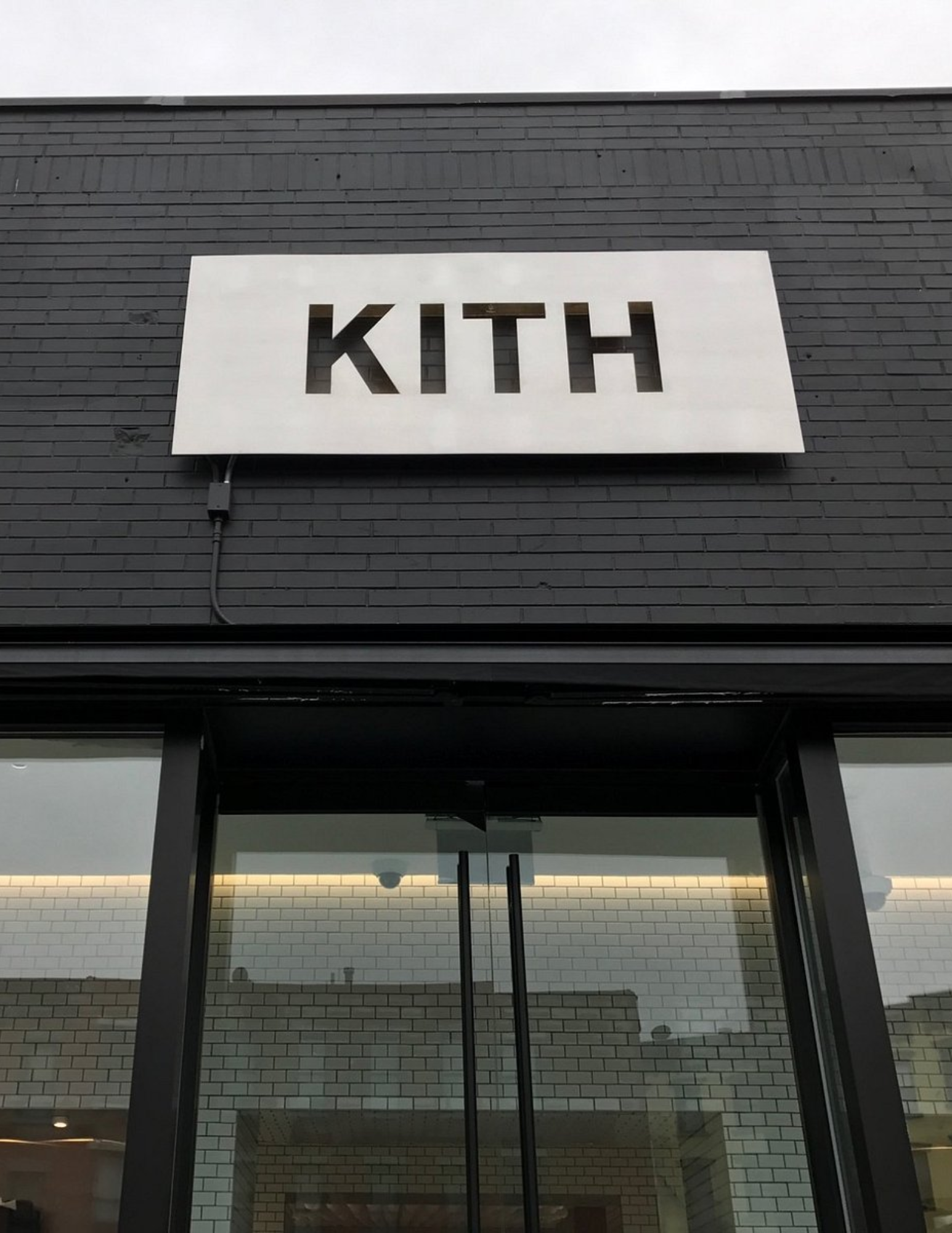
1. KITH
The Lesson: Conviction Is Its Own Form of Luxury
KITH figured out that the store itself could be the product. The cereal bar inside a sneaker shop was not a gimmick. It was a thesis statement about what kind of world the brand was inviting you into.
For founders, the takeaway is this: when your environment and your offer and your aesthetic all say the same thing, you stop needing to explain yourself. Curation done with enough conviction becomes its own form of authority.
You do not need to be loud when the context you have built does the talking.

2. Warby Parker
The lesson: consistency over time is the real flex
Warby Parker took one of the most frustrating consumer experiences and made it feel like something a thoughtful friend would walk you through. And then they did that same thing, at every single touchpoint, for fifteen years.
That is the unsexy truth about brand building. It is not one great campaign. It is the same clear positioning, carried through every interaction, long enough that people start to trust it in their bones.
They are not a trend brand. They are a reputation brand. And reputation compounds.

3. Glossier
The lesson: belonging is a product, not a marketing layer
Glossier did not build a community around their brand. They built a brand out of their community. By the time the first product launched, the audience already felt like insiders because they had been part of the conversation from the beginning.
The lesson for founders is not to start a blog and hope for the best. It is to ask genuinely what your people actually need, and then build for the answer rather than for the approval.
The risk Glossier now faces is the same risk every founder hits at scale. The further you drift toward polish, the more you start to resemble the thing you were built in reaction to.

4. The Lip Bar
The lesson: depth before breadth
Melissa Butler pitched The Lip Bar on Shark Tank, was told it was a hot mess, walked away without a deal, and then built a brand that landed in Target stores nationwide.
She did not dilute her point of view to make the path easier. She built the validation herself.
The Lip Bar centered women of color not as an afterthought or an add-on but as the entire foundation. That specificity is what made real scale possible. The brand did not try to be for everyone before it was fully and unapologetically for someone.
Depth before breadth. Build a loyal foundation first and scale becomes amplification, not compromise.

5. Bella Doña
The lesson: identity is infrastructure
Bella Doña started with one question: how do we represent us well? Not how do we appeal to everyone, not how do we get mainstream approval first. Just that one question.
The result is a brand built on Latina identity without softening it. Bold, specific, and culturally grounded in a way that most brands spend millions trying to manufacture and never quite achieve.
When identity is the foundation rather than a marketing angle added later, expansion becomes amplification. You do not have to choose between growing and staying true to what you built.
These five brands have different products, different audiences, and different origin stories. But they share an architecture. A clear point of view, built early and held consistently, that becomes harder to compete with the longer it holds.
That architecture is available to you regardless of your budget, your platform, or where you are in your business right now.
Read the Full Breakdown
In PowerHaus, I go deeper on each of these brands, including the specific moves I would make as CMO and how to translate each lesson into your own brand strategy as a founder. This is the kind of strategic analysis that does not usually land in your inbox for free.
Subscribe to PowerHaus to get the full issue delivered to your inbox each month.
Build something that holds.